
When you step up to a craps table, the noise can drown out the maths before you’ve had a chance to think. A craps lay bet explained properly cuts through that noise, because you’re betting against the dice rather than with them. That shift matters for anyone watching their bankroll, and it’s exactly why we’re looking at how the wager works, where it fits, and what to weigh before you press your chips into the layout.
How the Wager Works on the Table
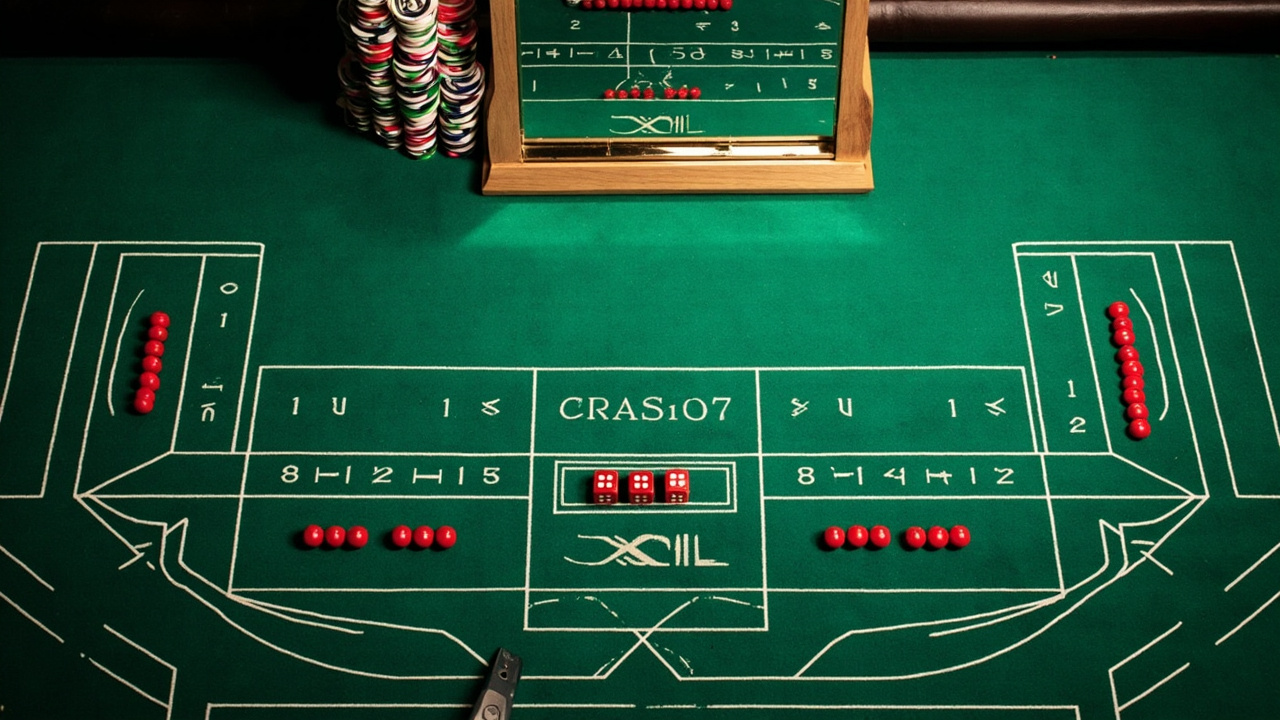
A lay bet is essentially a don’t pass position with a different rhythm, and the best way to keep a craps lay bet explained in plain terms is to think of it as taking the other side of a number. You’re wagering that the chosen number will roll before a seven, which flips the usual house-edge dynamic in your favour on paper but asks for a vig to balance the books. The casino collects that commission upfront or on a win, depending on the table, and that detail changes how you size your stake. At a busy Canberra club session on a Thursday arvo, I watched a regular lay the four and ten in small increments rather than committing a full stack, and the pace let him track the vig without losing count. That kind of measured approach matters because the bet doesn’t pay out like a standard even-money wager – the true odds sit against you, so the commission is the real cost to watch. If you’re comparing this to a place bet or a don’t pass line, the lay bet’s structure gives you a cleaner way to target specific numbers while keeping the seven as your friend rather than your enemy. For players who want a broader sense of how table rules stack up across different layouts, a quick read of this breakdown on Craps: reglas, apuestas y claves para jugar con criterio can help you compare house-edge quirks before you settle on a strategy.
Reading the Odds, the Vig, and the Real Cost
The maths behind a lay bet is straightforward once you strip away the chatter, but the vig is where most players misjudge their edge. You’re laying odds on a specific number – usually four, five, six, eight, nine, or ten – and the payout reflects the true odds against a seven hitting first. Because the casino still needs its cut, you pay a commission that’s typically calculated on the win or sometimes on the total wager, and that small difference compounds over a long night. I spoke with Finn King, Managing Partner, Red Centre Analytics, who noted that players often treat the vig as a minor detail until they track a session and realise the cumulative drag on a staked plan. His point holds up in practice: a lay bet can be one of the sharper table wagers on the floor, but only if you treat the commission as part of the price rather than an afterthought. The bet also works best when you’re comfortable holding a position through several rolls, because the seven will eventually land and settle the wager, and patience is the difference between a tidy exit and a rushed re-bet. If you’re weighing whether this fits your style, the question isn’t whether the bet is clever in isolation – it’s whether you’re willing to manage the vig, the timing, and the number selection without chasing every table swing. Ava Mitchell, Head of Public Relations, Tasman Gaming Partners, cautioned that table pace and commission handling vary by venue, so checking the specific layout before you commit is worth the minute it takes. That kind of venue-by-venue check is the sort of practical step that keeps a session from turning into a guessing game.
The house edge creeps in because the casino pays out at less than the true odds when you win this side of the wager. To really grasp how the vig alters your potential return, you can review a detailed breakdown of the rules at craps rules explained. Ignoring this discrepancy is the fastest way to erode your bankroll over a long session. methspin casino login
When the Bet Fits Your Style and When It Doesn’t
A craps lay bet explained in the context of your own play style is really a question of temperament and session length. If you prefer a slower, more deliberate table presence and you’re comfortable fading the dice rather than backing them, the lay bet gives you a structured way to work the numbers you actually want to target. It suits players who track the vig, size their wagers to the table flow, and don’t mind holding a position until the seven arrives. If you’re the type who wants quick resolution, constant action, or a wager that pays out on a whim, this isn’t the right fit and forcing it will only cost you more in commissions than you expected. The bet also rewards discipline over bravado, because the numbers you lay are selected with intent and the exit is built into the maths rather than left to luck. For anyone balancing this against other table options, the decision comes down to whether you want to be the side waiting for a seven or the side hoping to dodge one, and that choice shapes everything from stake size to how long you stay at the felt.
If you’re sorting out where to log in and check a table setup before you head out, a quick methspin casino login on your phone can save you a trip to a venue that isn’t running the layout you wanted. Mobile responsiveness matters here because craps tables and their rule variations aren’t always easy to scan on a cramped screen, and a site that loads cleanly on a phone is worth more than a flashy banner when you’re trying to verify commission handling and table limits before you commit. A browser-based view that holds its layout on a smaller display makes it easier to compare the vig structure and the lay options without zooming in and out, and that practical fit is what separates a useful check from a frustrating one. Ava Mitchell, Head of Public Relations, Tasman Gaming Partners, also pointed out that payment and registration flows should be straightforward enough to handle on the go, because a clunky sign-in process on a busy night is the last thing you need when you’re trying to confirm a table before you arrive. That kind of mobile-first fit is the sort of detail that keeps a session plan from falling apart at the door.
A craps lay bet explained well comes down to whether you’re willing to take the other side of the numbers, pay the vig on your own terms, and sit with the bet until the seven settles it. If that matches your pace and your bankroll plan, the wager has a clear place on the table; if not, there’s no shame in leaving it to the next player and finding a setup that suits your style.